How Hazaragi Dresses Are Made: From Cloth to Chest Embroidery
Inside the artisan process — fabric, pattern layout, Graph Dozi embroidery and finishing — and why no two handmade dresses are identical.
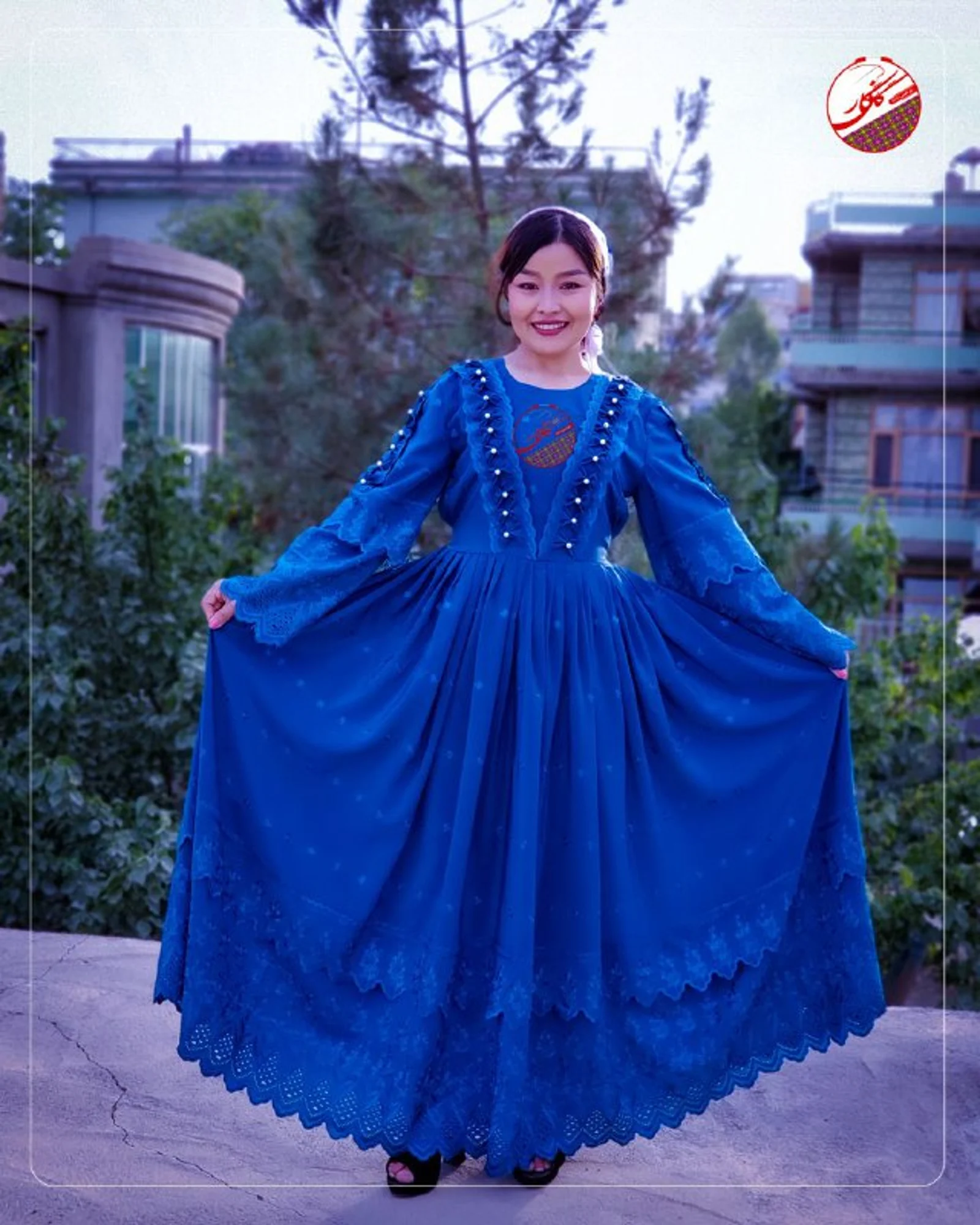
Every Hazaragi dress in our collection begins with cloth chosen for breathability and drape, then moves through pattern, embroidery and finishing in small-batch workshops. Understanding that path helps you value the price — and the tiny irregularities that prove real handwork.
Fabric and cut
Artisans start with cotton or cotton-blend lengths suited to modest silhouettes. Panels are cut for a relaxed body and clean sleeve set. Length is planned early because hem and embroidery placement must align before dense stitching begins.
The embroidered chest panel
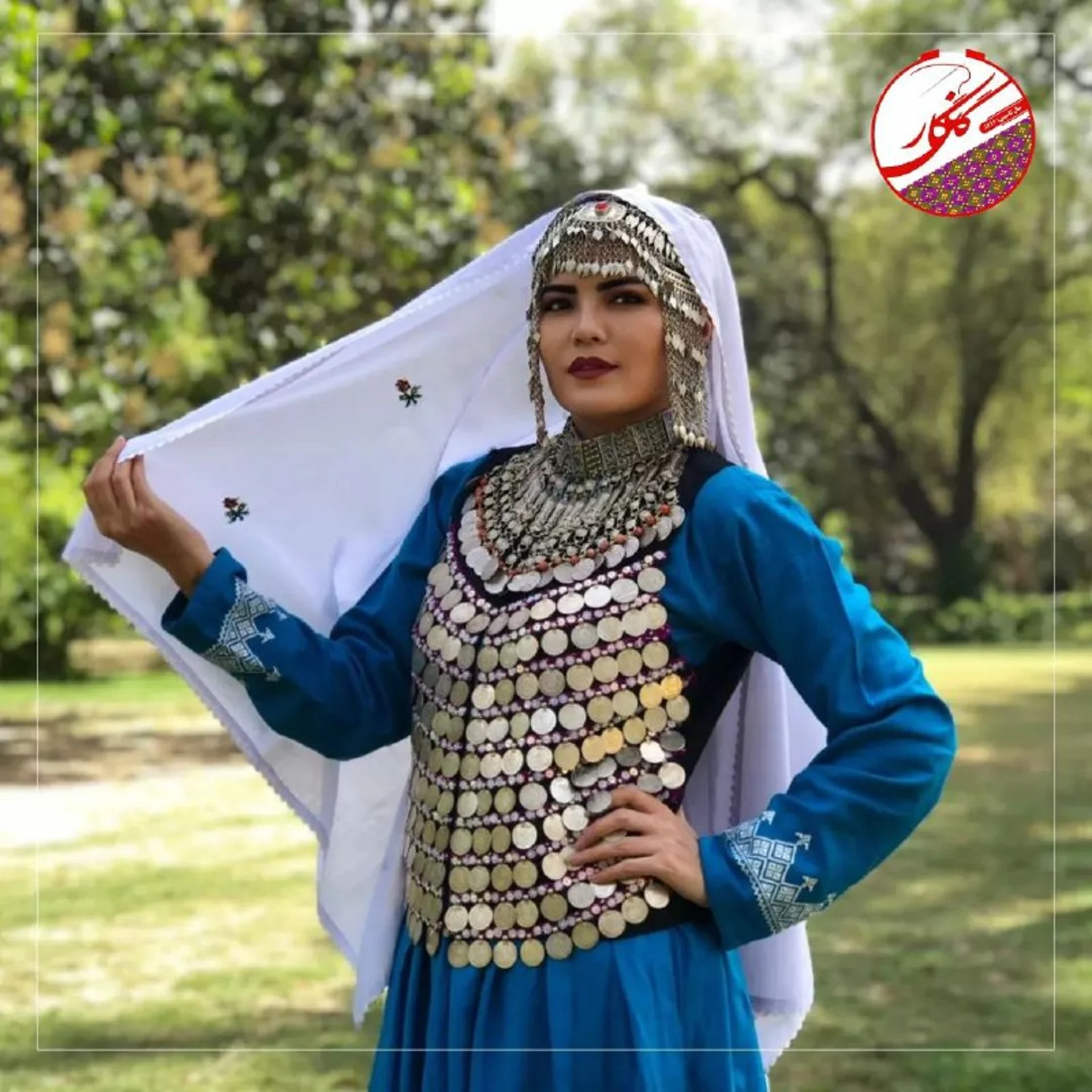
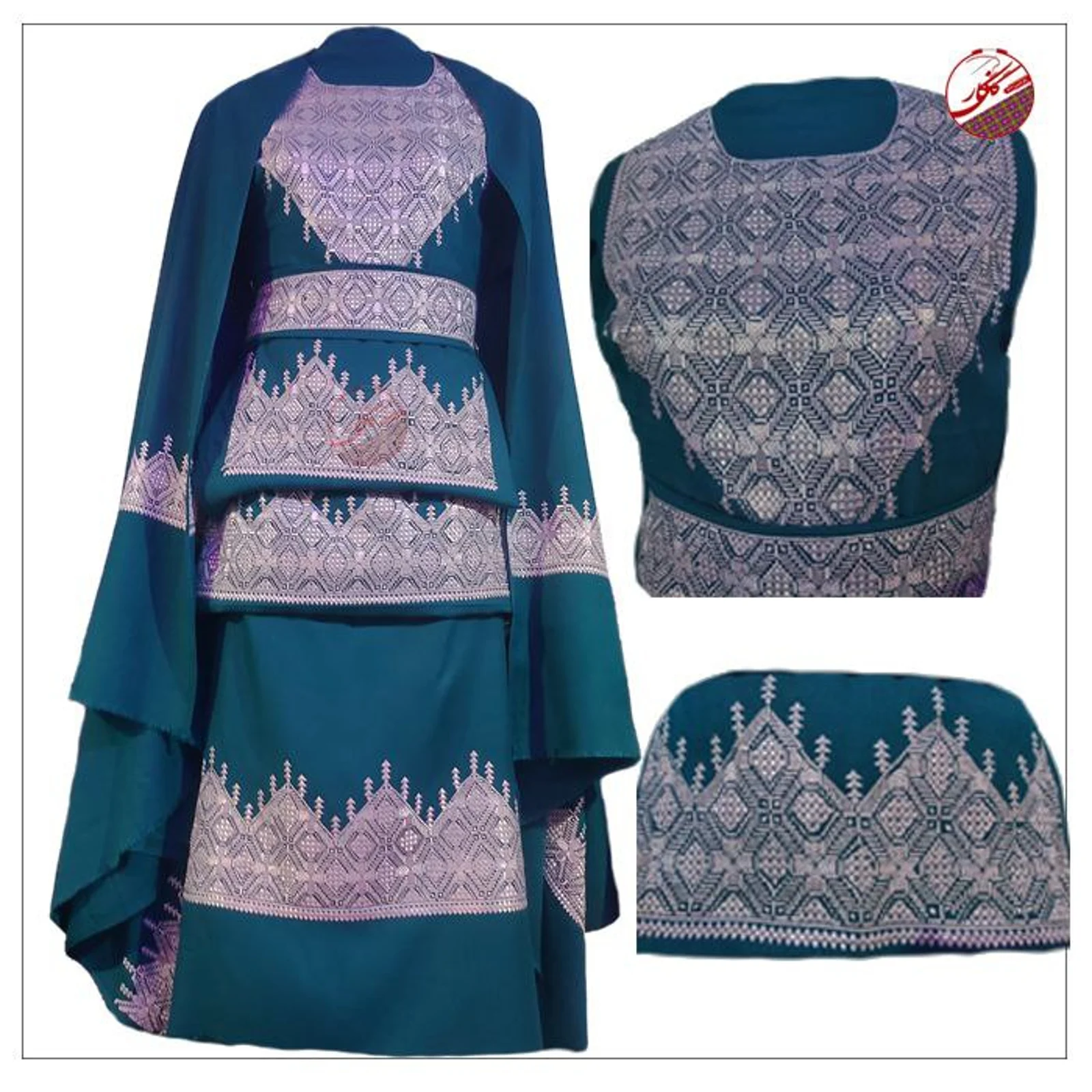
The signature of many Hazaragi dresses is the chest field: Graph Dozi (graf / cross-stitch style counting), Sika Dozi or Qabtomar motifs rising from waist toward the neckline. Stitches are counted and placed by hand so geometry stays symmetrical. A single panel can take days depending on density and thread.
Assembly and finishing
After embroidery, the panel is joined to the dress body, seams are cleaned, and edges are finished for durability. Pieces are washed or steamed gently, inspected for loose threads, then packed for international shipping.
Why “perfectly identical” is the wrong goal
Machine-printed motifs can clone endlessly. Hand embroidery cannot — and should not. Slight shifts in stitch tension or colour catch the light differently on every dress. Those differences are not defects; they are the fingerprint of the maker.
When you wear a Hazaragi dress, you wear hours of focused craft and a living textile tradition from central Afghanistan — not a factory print run.
Journal
Wear the story
Every piece carries generations of Hazaragi craft. Explore the collection and find something made to last.
Latest stories